Dementia Risk Reduction

Protecting Brain Health across the Life Course

Reducing the Risk of Dementia

Dementia risk is influenced by many factors, including our health, behaviours, social connections, living environment and access to quality health care. Some risk factors cannot be changed, but many can be addressed through healthy choices, timely treatment and supportive communities.

Risk reduction cannot guarantee that a person will not develop dementia. However, taking action across the life course can support brain health, reduce the risk of cognitive decline and contribute to healthier ageing.

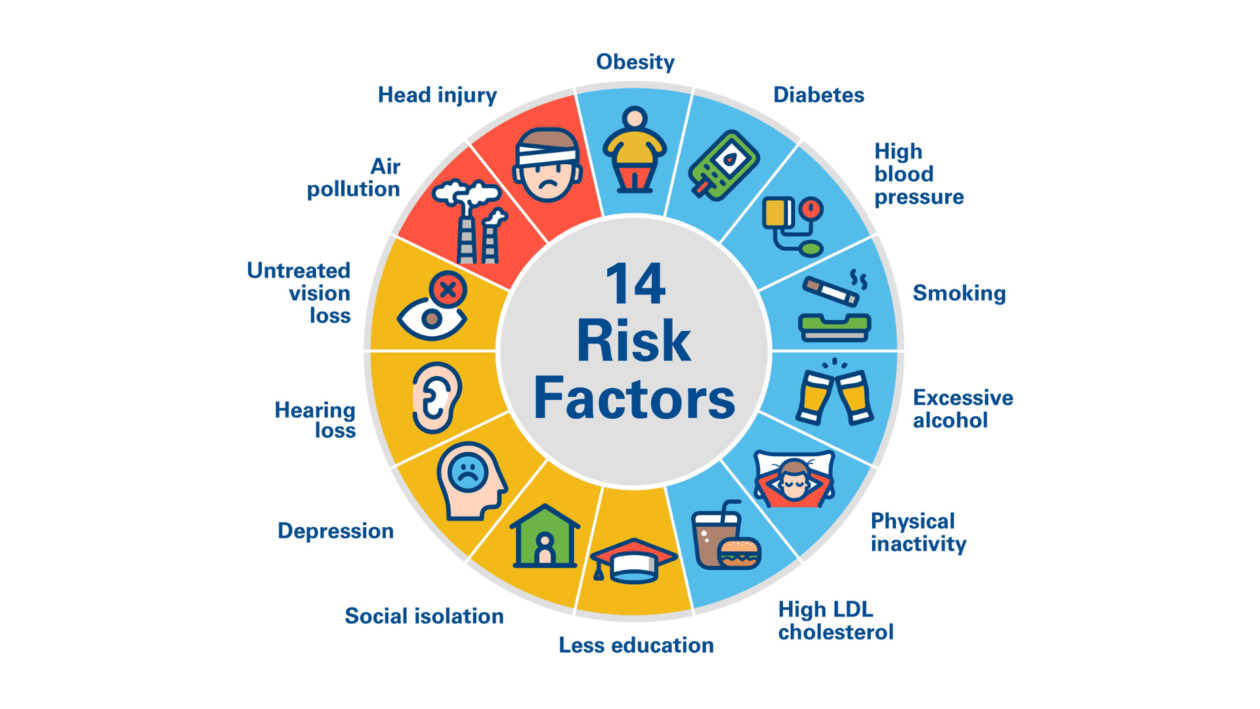
The World Health Organization estimates that up to 45% of dementia risk may be linked to modifiable factors. These factors often overlap with those that cause heart disease, stroke, diabetes and other noncommunicable diseases. 

45%

of dementia cases can be prevented or delayed

14

modifiable health and lifestyle risk factors identified by the World Health Organization and the Lancet Commission on Dementia Prevention

70% in India

Context-specific research reveals that up to 70% of dementia cases in India may be preventable

FAQ

What Can Help Reduce Risk? 

Regular physical activity supports heart health, mobility, mood and cognitive health. Include activities that improve endurance, strength, balance and flexibility, and reduce long periods of sitting.

Choose activities that are safe, enjoyable and appropriate for your age, abilities and health conditions. 

Choose a varied diet that includes vegetables, fruits, pulses, whole grains, nuts and other nutritious foods. Limit foods that are high in salt, sugar, unhealthy fats and excessive calories.

Healthy eating should be practical, affordable and culturally appropriate. There is no single diet that is suitable for everyone. 

Reading, learning a language, playing music, doing puzzles, gardening, cooking, storytelling, games and other meaningful activities can stimulate the brain.

The activity does not need to be expensive or highly specialized. New, enjoyable and appropriately challenging activities can be part of everyday life. 

Meaningful social relationships support emotional well-being and healthy ageing. Stay connected with family, friends, neighbours, colleagues and community groups.

Volunteering, cultural activities, peer groups, faith communities and intergenerational activities can all provide opportunities for participation and belonging. 

Tobacco use is harmful to health and is a modifiable risk factor for dementia. If you use tobacco, seek support to stop. Health professionals can advise on counselling, behavioural support and medicines that may help with tobacco cessation. 

Alcohol is not required for good health, and it should not be started for possible benefits. If alcohol use is affecting health, relationships or daily life, seek confidential support from a qualified professional. 

High blood pressure, diabetes and high cholesterol can damage blood vessels and affect brain health. Regular health checks and appropriate treatment can reduce the risk of complications.

Take prescribed medicines as advised and do not stop treatment without consulting a health professional. 

Hearing and vision loss can affect communication, independence, participation and cognitive health. Arrange assessment if you notice difficulty hearing or seeing.

Hearing aids, spectacles, cataract treatment, rehabilitation and other interventions may improve daily functioning and social participation when clinically appropriate. 

Depression and persistent sleep problems should be taken seriously. Seek professional support for ongoing low mood, loss of interest, anxiety, severe daytime sleepiness, loud snoring, interrupted sleep or other concerns.

At present, there is not enough dementia-specific evidence to recommend a particular sleep treatment solely for dementia prevention. Nevertheless, good sleep is important for general health and well-being.  

Use helmets and seat belts, follow road-safety measures, reduce fall hazards at home and seek medical attention after a significant head injury. 

Where possible, reduce exposure to polluted outdoor air and household smoke. Communities also need policies that support clean household energy, safe transport, improved air quality and healthy environments. 

Risk Reduction is a Shared Responsibility

Individuals cannot reduce dementia risk through personal effort alone. Education, income,
safe housing, nutritious food, accessible primary care, hearing and vision services, clean air,
safe roads, social connection and age-friendly communities all influence brain health.

Governments, health systems, communities, employers, schools, families and civil-society
organizations each have a role to play.

For DIA, this is an important opportunity to connect dementia risk reduction with:
> Healthy-ageing programmes.
> Noncommunicable-disease prevention.
> Community screening and referral.
> Caregiver and family education.
> Hearing, vision and mental-health services.
> Physical activity and social-participation programmes.
> Primary-care strengthening.
> Public policy and age-friendly environments. 

When should I seek help?

Speak with a qualified health professional if you or someone close to you experiences:

> Persistent or worsening memory problems.
> Difficulty managing familiar tasks.
> Problems with language, judgement or planning.
> Changes that interfere with work, relationships or daily life.
> Concerns about blood pressure, diabetes, cholesterol, hearing, vision, mood or sleep.

Early assessment can help identify treatable or reversible contributors, address health risks
and connect individuals and families with appropriate support. 

A Simple Starting Point 

You do not need to change everything at once.
Consider starting with one or two practical steps:

1. Schedule a health check for blood pressure, diabetes and cholesterol.
2. Add regular movement to the week.
3. Choose one enjoyable cognitive or social activity.
4. Arrange a hearing or vision assessment if needed.
5. Seek help to stop tobacco use or reduce harmful alcohol use.
6. Talk to a health professional about persistent mood or sleep concerns.

Small, sustained changes can support better health across the life course. 

References

1. WHO Guidelines on Risk Reduction of Cognitive Decline and Dementia, Second Edition, 2026.
2. Optimizing Brain Health Across the Life Course, 2022
3. Lancet Commission Report on Dementia Prevention, Intervention and Care, 2024
4. WHO Guidelines on Physical Activity and Sedentary Behaviour, 2020
5. WHO Integrated Care for Older People, 2024
6. WHO Healthy Diet guidance
7. WHO Global Air Quality Guidelines, 2021
8. WHO Global Action Plan on Dementia 

© 2026 Dementia India Alliance | All Rights Reserved
Terms of Use and Privacy Policy